All posts

If you’re curious about starting an ecommerce business, you’re in the right spot! Running an online store lets you reach people all over the world. It’s a chance to connect with customers without the need for a physical store.
Recent numbers show that independent sellers in the U.S. averaged over $290,000 a year on sites like Amazon in 2024. This guide will show you how to start your online business. We’ll cover everything from picking the right model to marketing your store.
With the ability to work from anywhere, starting an online store is easier than ever. It also offers the chance for passive income.
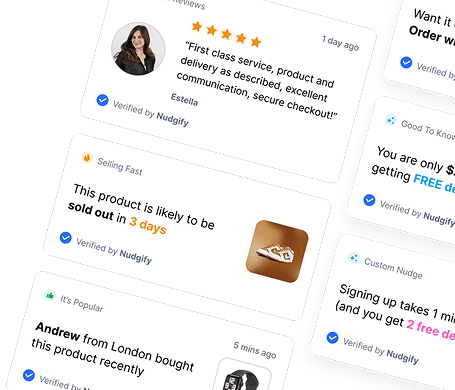
Boost Your Conversion Instantly with Nudgify: Turn your website visitors into customers with real-time Social Proof and FOMO Nudges. Get Started Now →
Understanding Ecommerce Business Models
Ecommerce has changed how businesses work, offering many models for different needs. Knowing these models is key for any entrepreneur wanting to do well online.
Types of Ecommerce Models
Each model caters to different customers and handles unique transactions. Here are the main types:
| Model Type | Description | Examples |
|---|---|---|
| B2C (Business to Consumer) | Sells goods or services directly to individuals, making shopping easy from home. | Amazon, Walmart |
| B2B (Business to Business) | Companies sell to other businesses, focusing on larger orders and longer term contracts. | Alibaba, ThomasNet |
| C2C (Customer to Customer) | Enables people to sell to each other through online marketplaces. | Etsy, eBay |
| C2B (Customer to Business) | Lets individuals sell products or services to businesses. | Upwork, Fiverr |
Understanding these models helps entrepreneurs find opportunities and shape their strategies for success online.
How to Run an Ecommerce Business
Starting an ecommerce business is exciting and full of chances. To succeed, follow important online business steps. These steps help you build a strong base for your brand.
Steps to Launch Your Ecommerce Enterprise
Starting your ecommerce journey needs careful planning. Here are key steps for a smooth launch:
Increase Trust & Sales with Social Proof
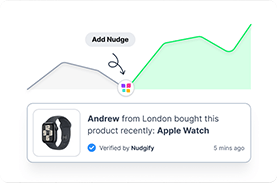
Boost trust, engagement, and conversions with Social Proof — tailored for any industry and easy to integrate. Seamlessly manage client access with our team portal.

| Step | Action |
|---|---|
| 1. Identify What to Sell | Choose a product or niche you love and that has demand. |
| 2. Research Competition | Study competitors to find your unique advantage. |
| 3. Write a Business Plan | Outline goals, marketing strategies, and operations plan. |
| 4. Build Your Brand | Create a name, domain, and logo that reflect your business identity. |
| 5. Set Up Your Online Store | Choose a platform like Shopify to design and launch your store. |
| 6. Determine Shipping Strategy | Decide whether to ship yourself or use a third party logistics partner. |
Cost Considerations for Ecommerce Entrepreneurs
Knowing ecommerce startup costs is key for budgeting. Here are the main expenses:
| Expense Category | Estimated Cost |
|---|---|
| Domain Registration | $10 – $50 / year |
| Website Hosting | $5 – $500 / month |
| Ecommerce Platform Fees | $29 – $299 / month |
| Marketing & Advertising | $200 – $2,000 / month |
| Product Inventory | Varies widely |
| Payment Processing Fees | 2.9% + $0.30 per transaction |
Creating Your Online Store
There are many ecommerce platforms to choose from, such as Shopify, Squarespace, and WooCommerce. Each offers features to help entrepreneurs create their store with ease.
| Step | Details |
|---|---|
| Choosing a Domain and Hosting | Select a domain that matches your brand and reliable hosting that supports your needs. |
| Designing the Storefront | Use attractive templates that reflect your brand and engage customers. |
| Adding Product Listings | Write clear descriptions and add high quality images to showcase products. |
| Ensuring User Experience | Make navigation smooth and checkout simple for an enjoyable shopping journey. |
Marketing Your Ecommerce Business Effectively
Search Engine Optimization helps your site rank higher by matching content to customer searches. This drives more visitors and boosts brand visibility.
Content marketing is vital. Publishing helpful blogs or videos about your products builds trust and showcases your expertise.
Email and social media marketing are essential tools. Platforms like Instagram, Facebook, and Pinterest are perfect for promoting products and engaging with customers.
Pay per click ads and influencer collaborations can increase visibility and attract ready to buy customers. Together, these strategies help bring more visitors to your store and increase sales.